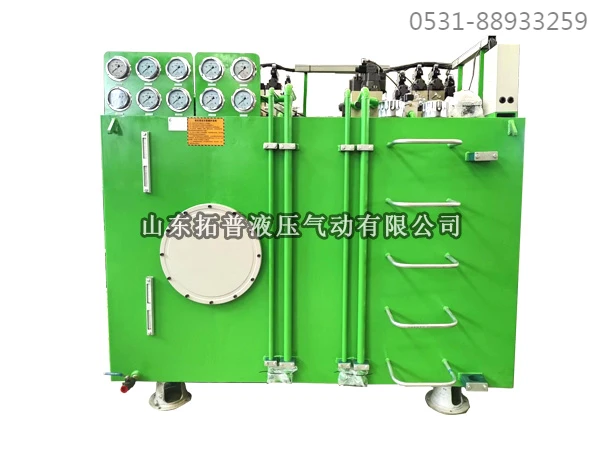
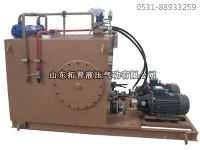
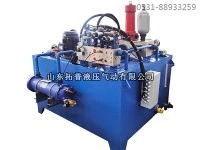
In terms of technical principles, oscillating-float wave energy conversion devices harness the vertical, up-and-down motion of waves. As waves pass, the float rises and falls, transferring this linear motion to a hydraulic or mechanical transmission system via a connecting rod. Hydraulic systems utilize pressure fluctuations in the hydraulic fluid to drive the generator's rotation, whereas mechanical transmission systems transfer the motion to the generator through components such as gears or chains. Regardless of the specific method employed, the ultimate result is the conversion of the wave's mechanical energy into electrical energy, thereby enabling the utilization of clean energy.